Smart City Bamberg
CLOSE


Crowdsensing app

People measure their city

Goal

Goal

Data basis

Project start

Project start

November 2025

Status

Status

In planning

Project launch

Project launch

open

Our vision for Bamberg

Decisions made by the city administration are based on comprehensive data that reflects the reality in Bamberg. The people of Bamberg help to create this data basis by proactively collecting relevant data themselves. This data is recognized by city policymakers and is incorporated into decision-making processes. This enables people to help shape developments in Bamberg and make political decisions more transparent. Bamberg as a whole becomes more future-proof, more sustainable and even more liveable.

Technology

The crowdsensing application is integrated into the Bamberg app as an additional module. When using the app, the person voluntarily grants individual access rights to various sensors in the cell phone. The data is then transferred to the data platform, where it is stored and made available.

Project description

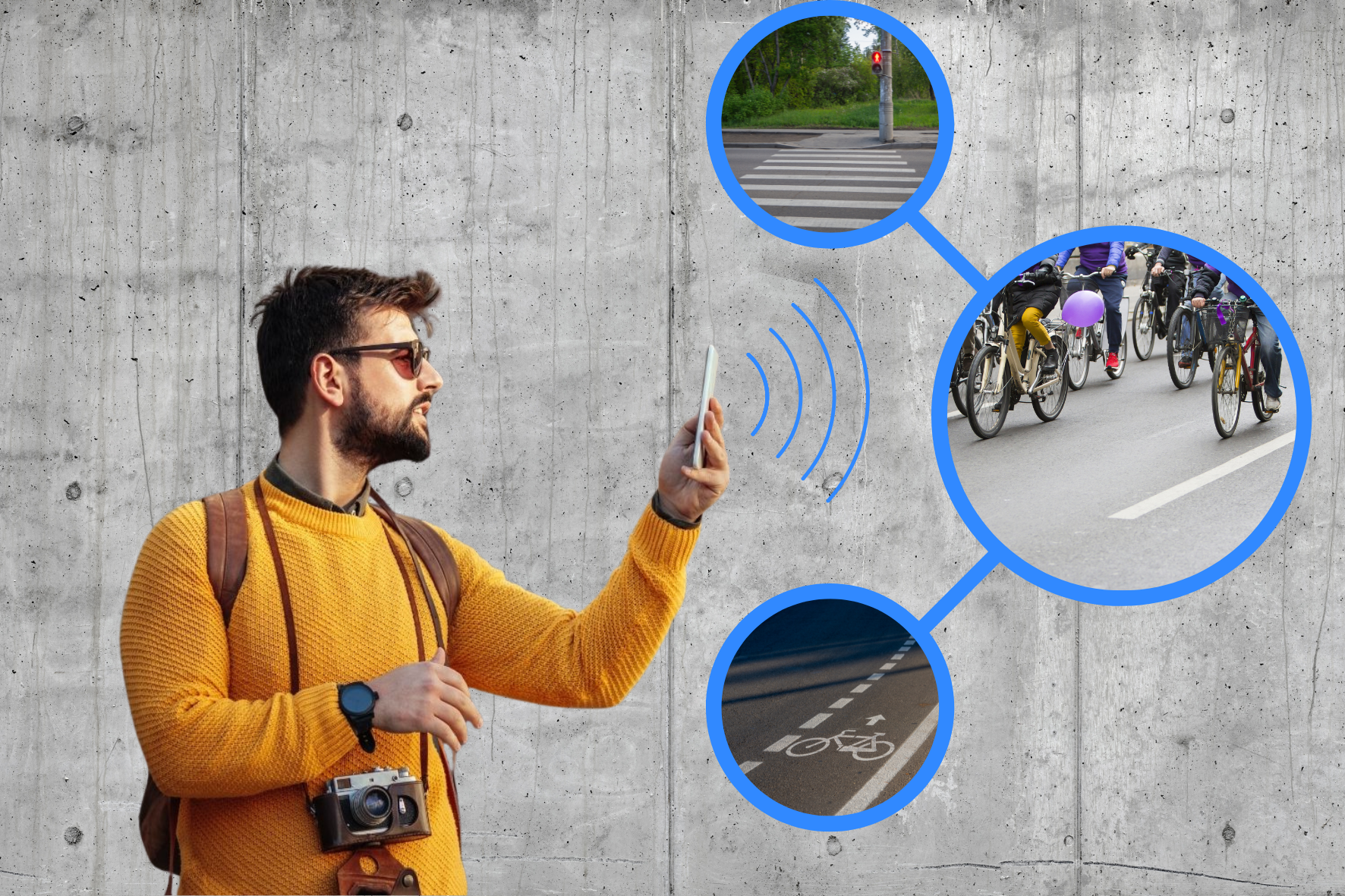
Crowdsensing refers to an approach in which many people (“crowd”) help to collect data (“sensing”). People use an app to collect data relevant to urban development. This makes the database on living conditions more granular and accurate. For example, instead of having weather data from just two official locations, it is possible to understand more precisely where heat islands arise and countermeasures are required. This means that decisions can be made on a more informed basis. In November 2025, the city council agreed to initially focus the project on the voluntary donation of anonymized mobility data on pedestrian and bicycle traffic. The data collected will be made available via the data platform to the relevant authorities, researchers and the people of Bamberg. It forms a basis for traffic and urban planning. The modular structure of the app will allow the project to be extended to other topics in the future.
How can the data support traffic management?

  • They show where people are cycling in the city
  • This makes it possible to deduce how the cycling network is used and where there are still gaps
  • The effect of implemented measures can be examined, such as the conversion to bicycle lanes or the opening of one-way streets for bicycle traffic
  • In this way, the cycling infrastructure can be further expanded, especially where it is most urgently needed
  • The more people take part, the more representative the data is for traffic management and urban planning

Veranschaulichendes Bild zum Textabschnitt

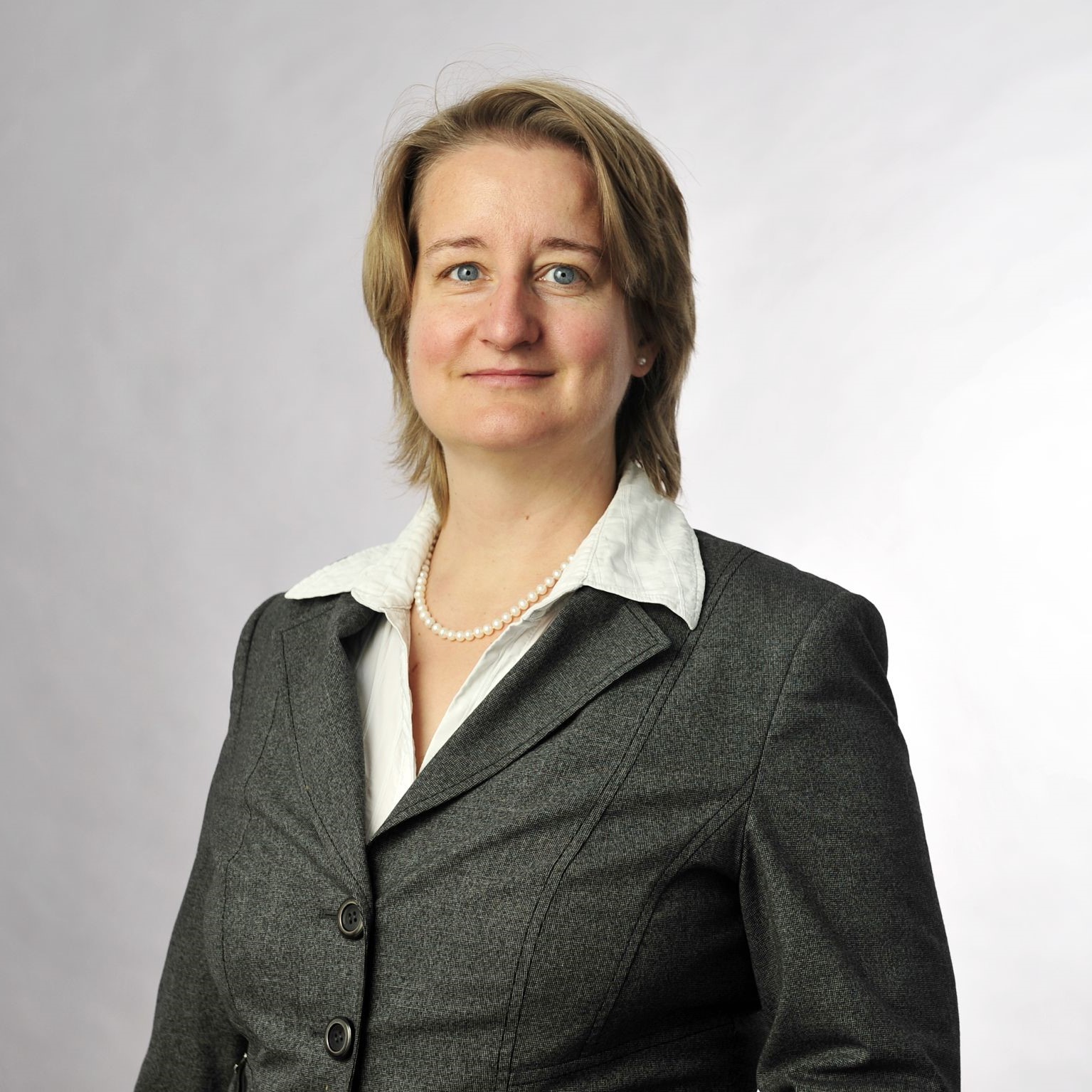
„With the crowdsensing app, we can all help to make Bamberg even smarter. We can use it to collect local knowledge and observations from citizens at low cost – for example about heat or noise pollution. And while a simple sensor only measures the volume, for example, we can also ask how people are feeling: is it the nightingale or the building site? “

Daniela Nicklas

Smart City Research Lab

Project status

The idea of a crowdsensing app is being developed at the University of Bamberg in 2022 as part of a student project.

Ideation

The idea of a crowdsensing app is being developed at the University of Bamberg in 2022 as part of a student project.

In November 2025, the city council decides to implement the project.

Planning and tendering

In November 2025, the city council decides to implement the project.

Implementation

Testing

Launch

Project participants

Porträt von Jonas Behr

Jonas Behr
Project management

Contact

Porträt von Prof. Dr. Daniela Nicklas

Prof. Dr. Daniela Nicklas
Idea generator, University of Bamberg

Contact

Supported by:

Conducted by the Bamberg Economic Department

Department for Economy and Digitalization