
Smart City Bamberg
CLOSE


Digital visitor guidance system

Clear paths through the World Heritage Site

Goal

Goal

Experience

Project start

Project start

January 2025

Status

Status

In implementation

Project launch

Project launch

until the end of 2026

Our vision for Bamberg

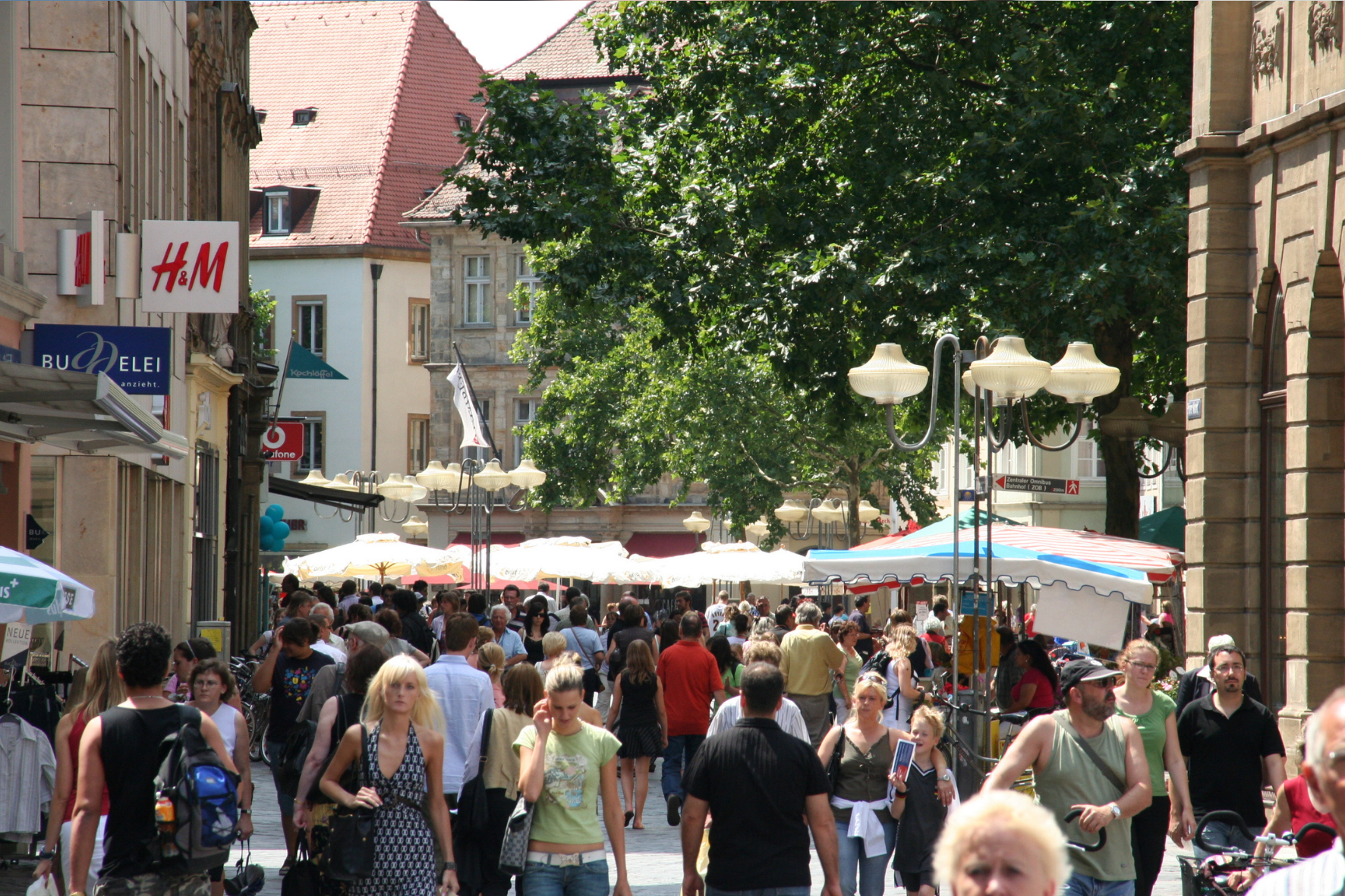
Even at peak tourist times, people in Bamberg can move freely through the city. There is no overcrowding in the narrow streets or at the popular sights. Guests can also get to know Bamberg’s lesser-known but no less valuable places. At the same time, Bamberg’s old town remains a lively place where residents and visitors alike enjoy spending time.

Technology

Sensors count the WiFi-enabled devices in their vicinity. This is used to determine the visitor density. The evaluation, including suggestions for alternative destinations or routes, can be called up in a web application. This is integrated into the tourist information website.

Project description

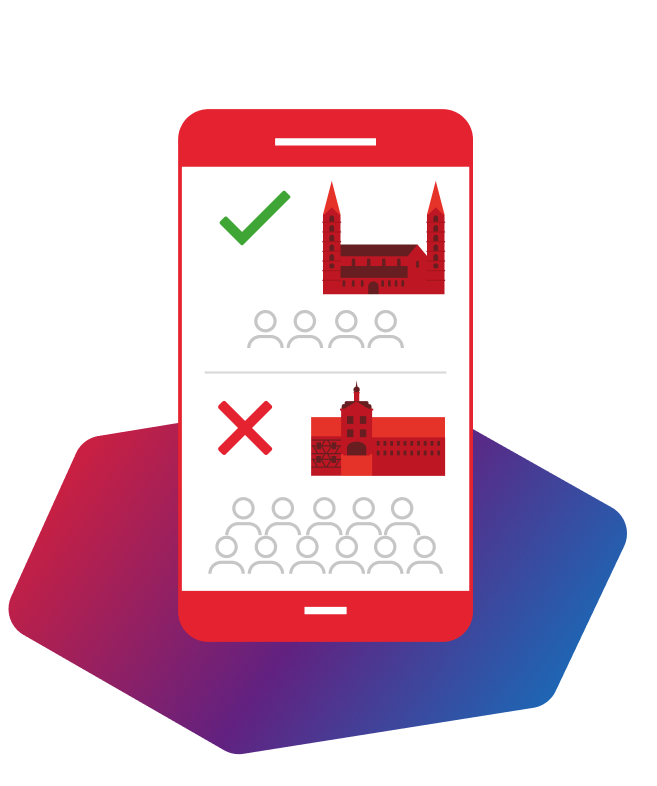
Visitor flows are recorded anonymously by sensors and the utilization of paths and squares in Bamberg’s city centre is measured. Based on the results, the application suggests routes and places that are less frequented at the time. Visitors can indicate in the application whether it bothers them when places are busy and decide freely which route they choose. However, they know in advance how crowded a place is and can change their plans if necessary. Residents can also plan their routes accordingly. As a result, people are distributed more evenly in the old town. By publishing the data, businesses can also adapt their offers to the frequency of visitors.

An example scenario could be:

  • A family is visiting Bamberg and on Saturday afternoon they are thinking about what they could do.
  • They check the tourist information page and notice that the area around the Old Town Hall is bursting at the seams.
  • They state that they prefer to visit less frequented places.
  • The site suggests a visit to the Gärtnerviertel as an alternative.
  • They decide to go there and learn about Bamberg’s world heritage in the Gardeners’ and Growers’ Museum.
  • The next morning, they visit the Old Town Hall in a relaxed atmosphere without the crowds.
Veranschaulichendes Bild zum Textabschnitt

„With this project, we want the best for both sides: the guests should have a great visitor experience because they discover new things off the beaten track, and the locals and the old town should be relieved because these visitors are better distributed throughout the city and the region and hotspots are less crowded.“

Michael Heger

Project lead and director of the TKS Bamberg

Project status

The idea is submitted by members of the civic society in fall 2021.

Ideation

The idea is submitted by members of the civic society in fall 2021.

In the “CrowdAnym” preliminary study, the University of Bamberg is testing the feasibility of the idea from September 2022 to August 2023.

Planning and tendering

In the “CrowdAnym” preliminary study, the University of Bamberg is testing the feasibility of the idea from September 2022 to August 2023.

The first sensors are installed and connected to the data platform in summer 2025. The application for visitors is being developed from spring 2026.

Implementation

The first sensors are installed and connected to the data platform in summer 2025. The application for visitors is being developed from spring 2026.

The evaluation of the data is being tested in an initial prototype in summer 2026.

Testing

The evaluation of the data is being tested in an initial prototype in summer 2026.

The app for the digital visitor guidance system is published by the end of 2026.

Launch

The app for the digital visitor guidance system is published by the end of 2026.

Project participants

Porträt von Michael Heger

Michael Heger
Project lead, Tourism and Congress Service

Contact

Porträt von Steve Henschel

Steve Henschel
Project management

Contact

Porträt von Smart City Research Lab

Smart City Research Lab
Accompanying research

Contact

Supported by:

Conducted by the Bamberg Economic Department

Department for Economy and Digitalization